Rebuilding the Love of Reading in a Digital Age
Equipping educators and parents with the tools to fight screen-time distraction, rebuild critical literacy, and raise mindful digital citizens.
Meet the Founder
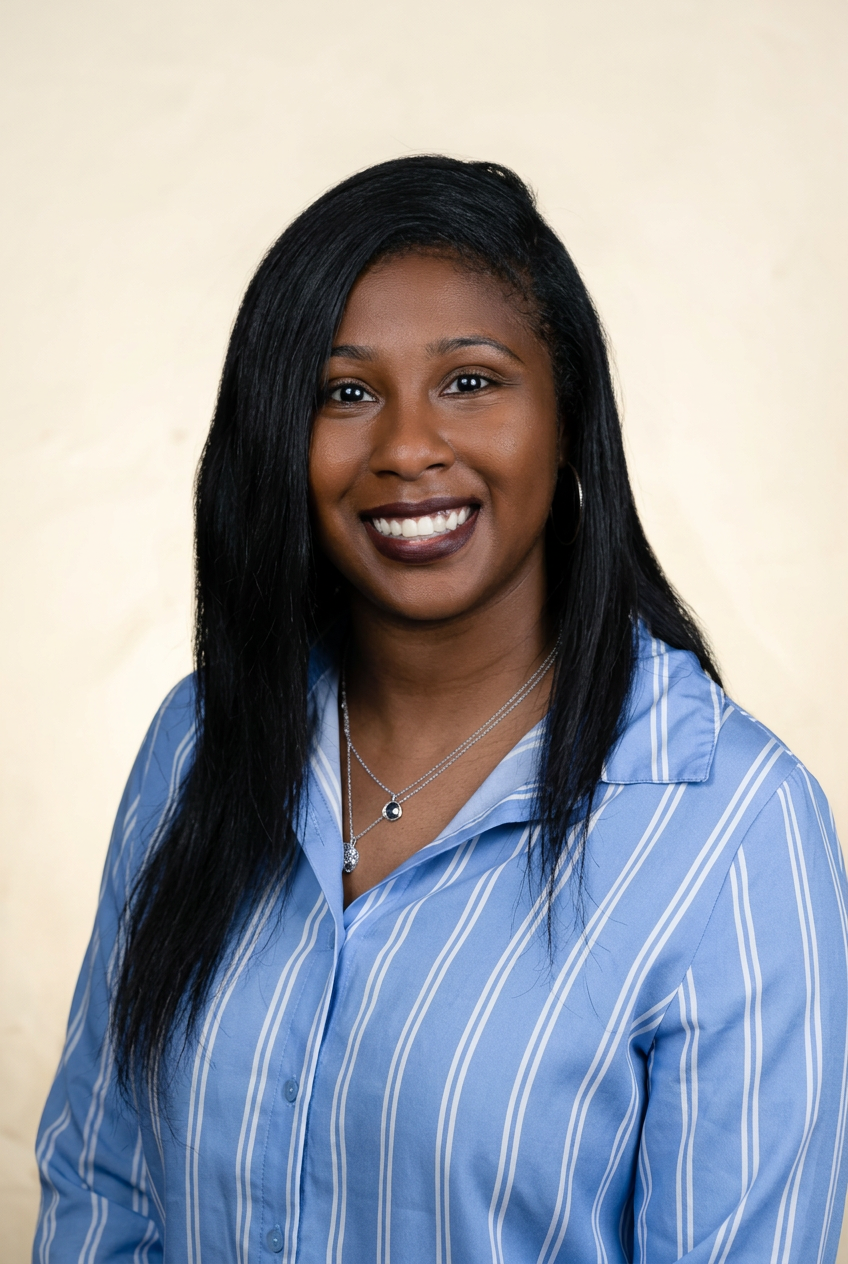
Welcome! I’m an educator, workshop facilitator, and consultant who helps schools navigate literacy, equity, neurodiversity, and digital well-being.
With a decade of classroom experience, a Master’s degree from Georgia College & State University, and the 2023 Marcia Spiller Teaching Excellence Award, I bridge research, policy, and practical instruction.
I partner with school leadership teams and faculty across three primary areas:
Literacy & Inclusive Curriculum: Designing strategies to audit and expand diversity in children’s literature, as featured in my workshops at the NAIS People of Color Conference and STL in the ATL.
Neurodiversity & Support: Facilitating hands-on learning, including custom dyslexia simulations, to help educators build accessible environments for all learners.
Digital Wellness & Policy: Guiding schools through complex modern challenges, from protecting youth online identities to developing evidence-based cell phone policies, as presented at the NAIS Gather conference in Boston.
I work with schools and educational organizations to deliver high-impact professional development, curriculum audits, and strategic consulting tailored to your community’s needs.

The Crisis of Critical Literacy in a Digital Age
Literacy is far more than passing a standardized test; it is the cornerstone of critical thinking, effective communication, and civic engagement. Today, we are facing a quiet crisis. As reading rates decline, we are seeing a direct erosion of our collective capacity to evaluate information and challenge assumptions.
In a digital landscape dominated by sensationalized headlines, clickbait, and self-proclaimed online "gurus," critical reading skills have never been more vital—yet they have never been more scarce. When youth lose the ability to read deeply, they lose the ability to navigate the digital world safely. This decline in critical literacy does not just hurt academic performance; it directly feeds the rapid spread of online misinformation. A generation unable to read critically is a generation vulnerable to manipulation, less likely to participate in civic life, and unprepared to sustain a healthy democracy.
Data That Tells a Story
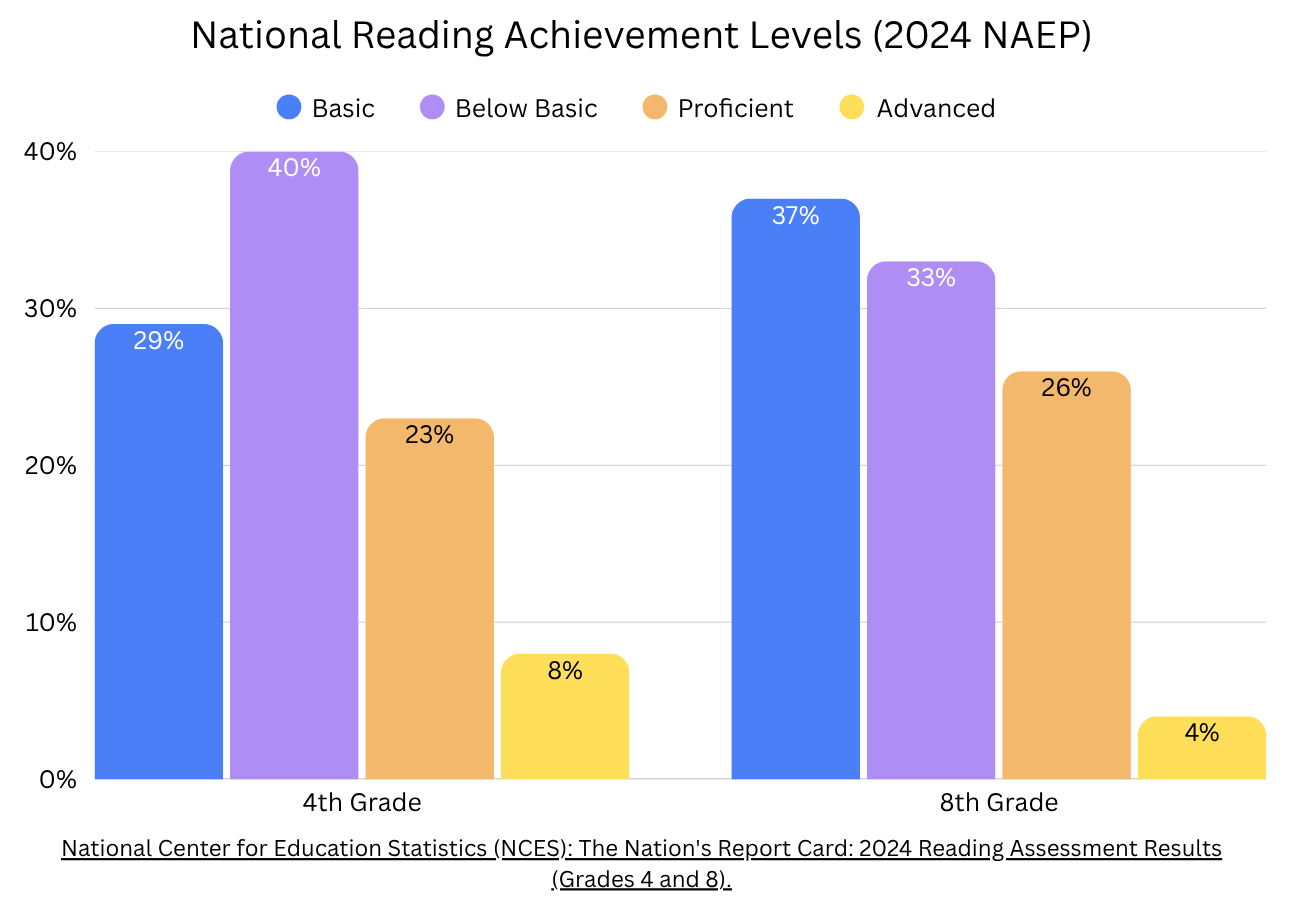
The latest comprehensive national data (from the 2024 NAEP Reading Assessment, released in 2025/2026) shows that a historically high percentage of American students are reading at “Below Basic” levels.
4th Grade: 40% of fourth graders scored Below Basic, which is the largest percentage of students in this category in over 20 years.
8th Grade: 33% of eighth graders scored Below Basic, the largest percentage of students failing to meet the basic benchmark in the assessment’s history.
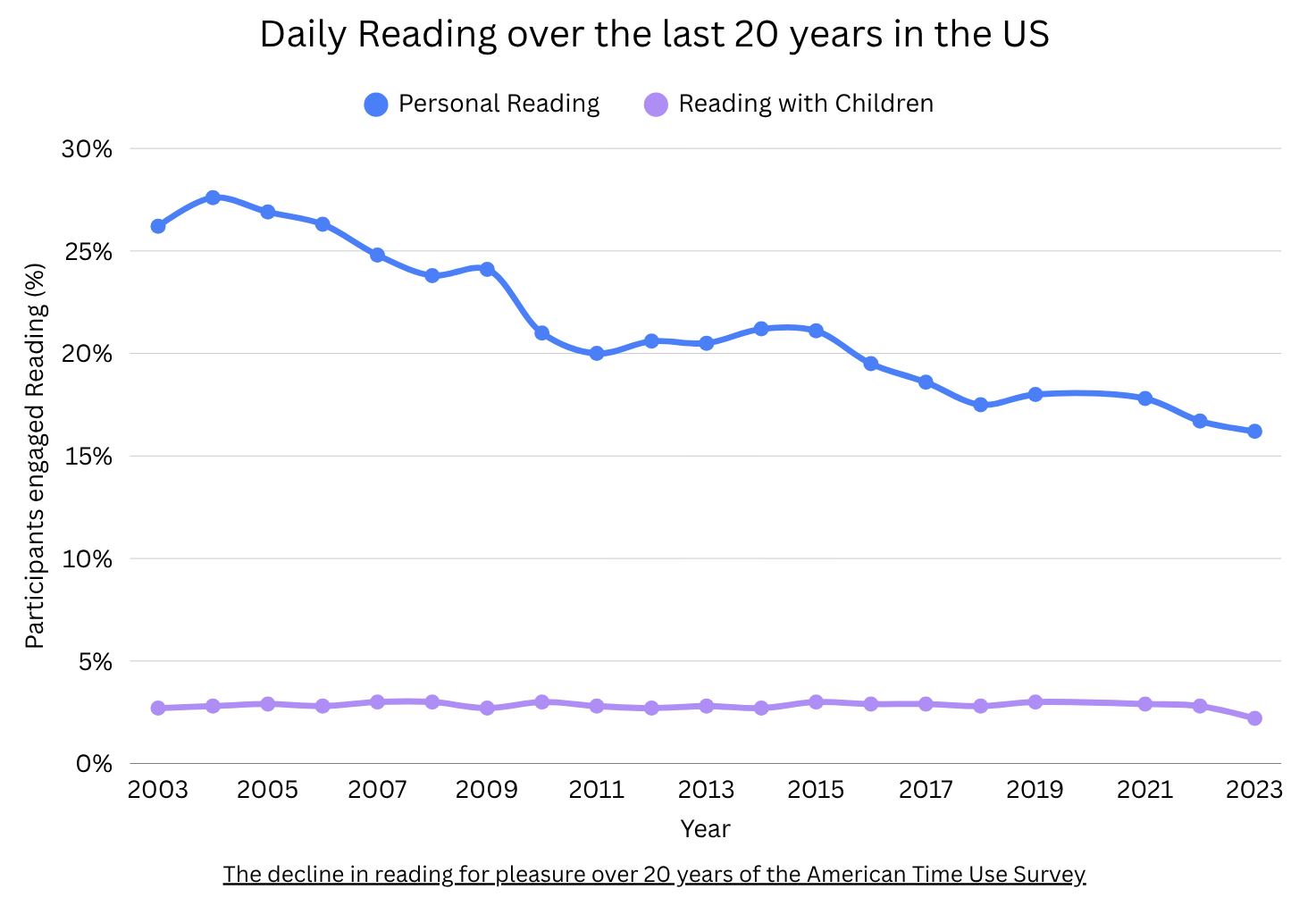
A landmark study published in the journal iScience analyzed data from over 236,000 Americans who participated in the American Time Use Survey (ATUS) between 2003 and 2023.
The percentage of Americans who read for pleasure daily has declined by 3% per year over the last two decades.
Leisure reading peaked in 2004, when 28% of respondents read for personal interest daily. By 2023, that number dropped to its lowest point: only 16% of Americans read for pleasure on an average day.
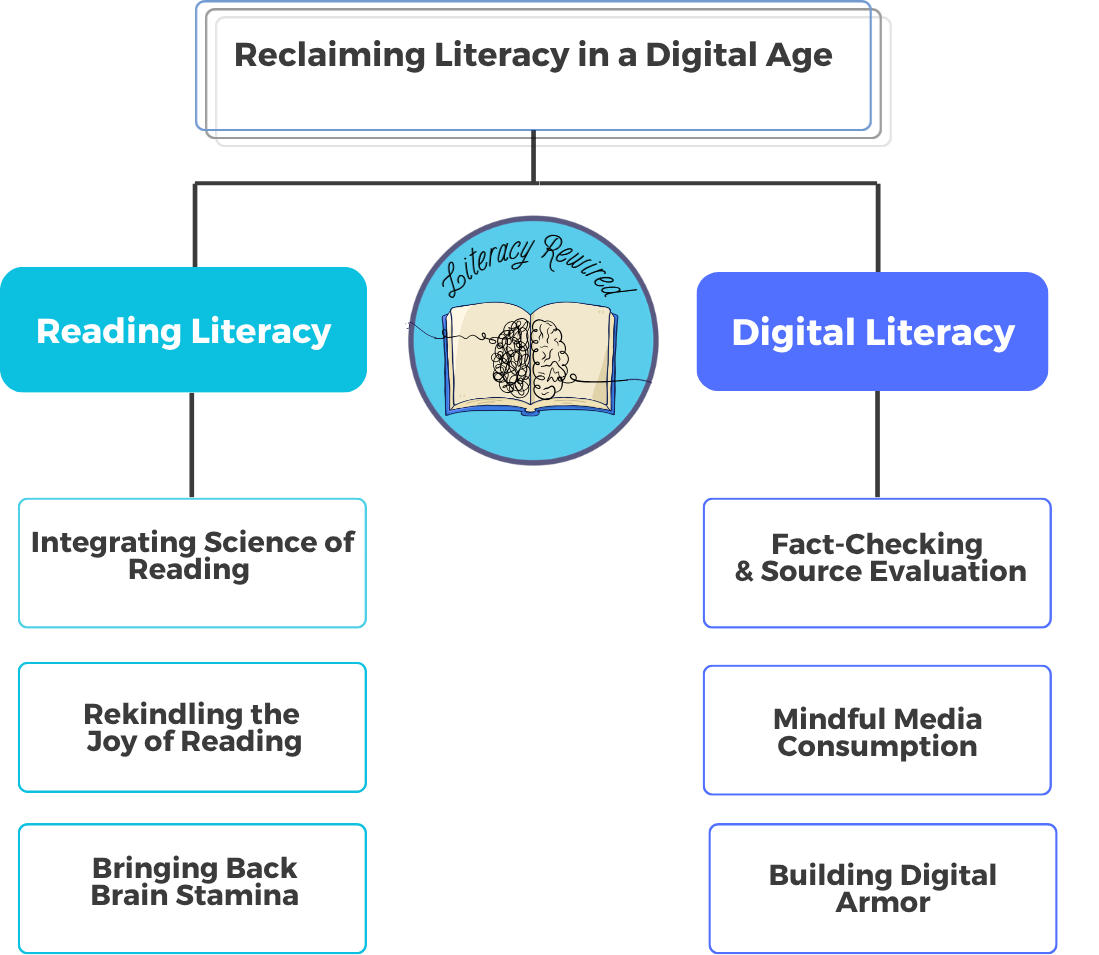
We cannot solve a 21st-century digital crisis with 20th-century playbook strategies. Literacy Rewired bridges this gap by equipping teachers and parents with the resources, modern strategies, and guidance needed to combat the literacy crisis.
By uniting Reading Literacy and Digital Literacy, this framework addresses both the brain’s cognitive development and the reality of the highly addictive, fragmented digital landscape students navigate daily.
We help educators rebuild a genuine love of reading and strengthen students’ executive functioning skills. At the same time, we empower adults to teach the next generation critical digital literacy: how to vet sources on social media, consume media mindfully, and protect themselves online.
Our Framework